Category: Home Repair & Maintenance

  • What a Water Alarm Does and Where to Put One

    What a Water Alarm Does and Where to Put One

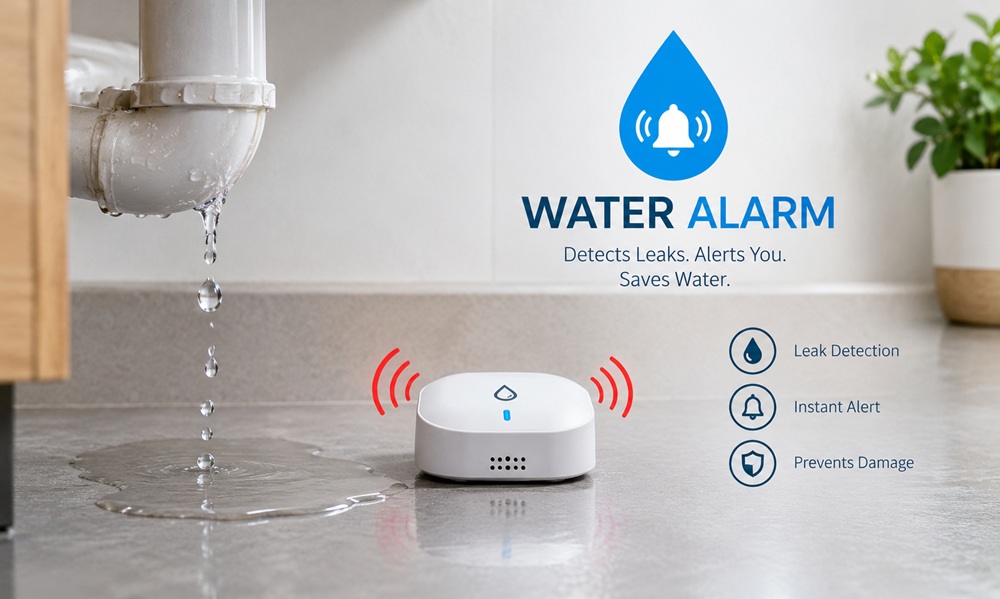
    A water alarm is a small device that sounds an alert the moment it comes into contact with moisture, giving you a chance to respond before a minor drip becomes a serious problem. Unlike larger whole home monitoring systems, water alarms are typically standalone units designed for specific high risk spots around the house, which makes them one of the most affordable and accessible ways to catch a leak early.

    How a Basic Water Alarm Works

    Most water alarms use a simple sensing method. Two small metal contacts sit close together on the bottom of the device, and when water bridges the gap between them, it completes an electrical circuit that triggers a loud audible alarm, usually somewhere between 85 and 100 decibels, loud enough to be heard from another room.

    This is different from systems that monitor flow or pressure through your plumbing. A water alarm doesn’t track usage patterns or detect leaks inside walls. It responds only when water physically reaches the sensor, which means placement is the single most important factor in whether it actually does its job.

    Common Places to Install One

    Water alarms work best in locations where a leak is likely to pool on the floor before being noticed. Underneath water heaters is one of the most common spots, since tank failures often start slowly before a full rupture. Behind washing machines catches hose failures, which are a frequent cause of sudden flooding. Under kitchen and bathroom sinks addresses slow drips from supply lines or drain connections that often go unnoticed until a cabinet floor is already damaged.

    Basements near sump pumps are another high value placement, since sump pump failure during heavy rain can lead to significant flooding if nobody catches it in time. Near dishwashers and refrigerators with ice makers rounds out the list of spots that tend to generate leak related insurance claims.

    Battery Powered Versus Connected Models

    The simplest water alarms run on a small battery and sound a local alarm only, with no connection to your phone or any app. These work fine if you’re reliably home and close enough to hear the alert, but they offer no protection if a leak starts while you’re at work, asleep in a part of the house where the alarm isn’t audible, or away for an extended period.

    Wi-Fi connected water alarms solve this by sending a push notification to your phone the moment moisture is detected, regardless of where you are. For anyone who travels, has a vacation property, or simply wants peace of mind while at work, this upgrade is usually worth the extra cost. Some connected models also integrate with smart home systems to trigger an automatic water shutoff valve, though that typically requires additional hardware beyond the basic alarm itself.

    Choosing Between Multiple Units

    A single water alarm protects one spot. Most homes have several locations worth monitoring, which means buying a multipack of three to five units is usually more practical than purchasing one and hoping it happens to be near wherever a leak eventually starts. Prioritizing your water heater, washing machine, and any sinks with a history of slow drips is a reasonable starting point if budget limits how many you can install at once.

    Maintenance a Water Alarm Actually Needs

    These devices are low maintenance by design, but they’re not maintenance free. Batteries need periodic checking, since a dead battery means the alarm won’t sound even if water reaches the sensor. Testing the alarm every few months by briefly touching the sensor contacts with a wet finger confirms it’s still functioning, which takes less time than most people assume and catches a dead unit before it matters.

    Dust and debris can occasionally interfere with the sensor contacts over time, particularly in basements or utility closets, so a quick wipe down during routine home maintenance keeps it working as intended.

    What a Water Alarm Won’t Catch

    It’s worth being realistic about what these devices actually protect against. A leak inside a wall, under a slab foundation, or anywhere water doesn’t eventually reach floor level near the sensor will go undetected until it causes visible damage elsewhere. Water alarms are a reactive, spot specific layer of protection rather than a comprehensive monitoring solution, and understanding that limitation helps set realistic expectations rather than assuming one device covers the whole house.

    Water Alarms Versus Whole Home Leak Detection

    It helps to understand where a basic water alarm fits relative to larger leak detection systems that monitor an entire home’s water supply. A whole home system installs at the main line and can track overall water flow, sometimes shutting off the supply automatically if it detects a likely leak anywhere in the house. A water alarm does none of that. It simply sits in one spot and reacts the moment water physically touches it.

    This makes water alarms a much more affordable entry point for leak protection, since a few units cost a fraction of what a professionally installed whole home system runs. The tradeoff is coverage. A water alarm only protects the exact spots where it’s placed, while a whole home system protects the entire plumbing system regardless of where a leak originates, including inside walls or under slab foundations where a standalone alarm would never make contact with the water.

    For many homeowners, a reasonable approach combines both, using a handful of water alarms in the highest risk spots as an affordable first layer of protection, with a whole home system considered later as a bigger investment for more comprehensive coverage.

    Renters and Water Alarms

    Water alarms are particularly practical for renters, since they require no installation beyond placing the unit and don’t involve any modification to the property. Unlike a whole home system, which typically needs professional installation at the main water line, a battery powered water alarm can be set up in minutes and taken along when moving to a new place. For anyone renting an apartment with shared laundry connections or an older building with aging pipes, a small investment in a few water alarms is one of the easiest ways to get some protection without needing a landlord’s involvement.

    A Realistic Look at What to Expect

    A water alarm isn’t a dramatic piece of technology, and that’s largely the point. It sits quietly, often unnoticed for months or years, until the moment it’s actually needed. The value shows up specifically in that moment, when an alarm sounding at two in the morning gives someone enough warning to shut off a supply valve before a slow leak turns into standing water across a floor. For a device that typically costs less than a dinner out, the potential savings from catching even one leak early make it one of the more straightforward investments a homeowner or renter can make in protecting their space.

  • How a Leak Detector Actually Works and What to Look For

    How a Leak Detector Actually Works and What to Look For

    Water damage is one of the most expensive problems a home can have, and much of it starts small enough to go unnoticed for days or weeks. A leak detector is designed to close that gap, catching moisture or abnormal water flow before it turns into a flooded basement or a ruined floor. Understanding how these devices actually work makes it much easier to choose one that fits your home instead of buying based on marketing alone.

    What a Leak Detector Is Designed to Do

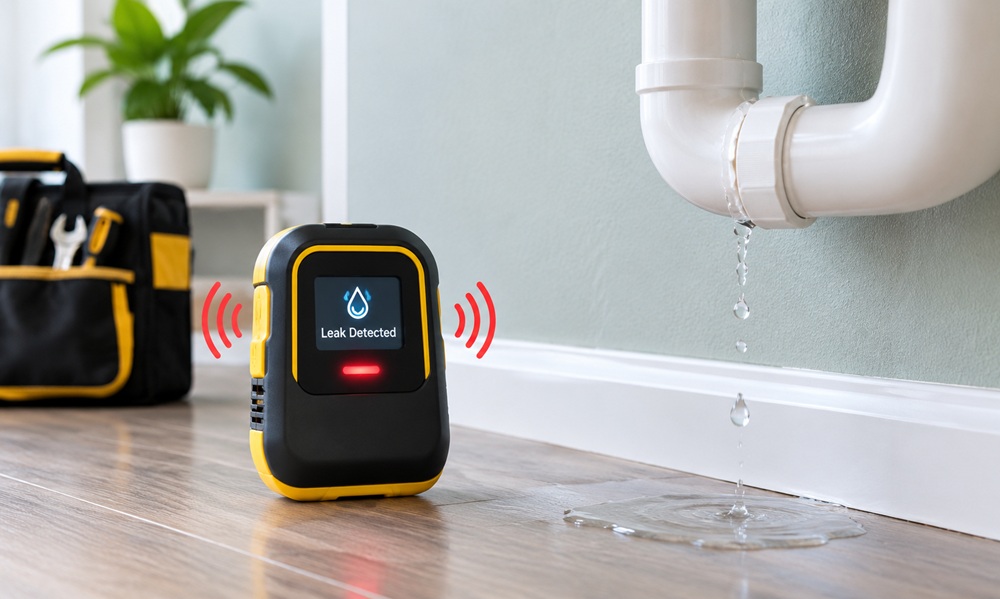
    At its core, a leak detector senses the presence of water where there shouldn’t be any, or identifies unusual water usage patterns that suggest a hidden leak. Some models sit directly on the floor near appliances and sound an alarm the moment they touch moisture. Others monitor your home’s main water line and track flow patterns, flagging anything that looks abnormal, like water running continuously overnight when no fixtures are in use.

    The right type depends largely on what you’re trying to protect against. A single sensor near a water heater catches a very different kind of problem than a whole home system monitoring your main supply line.

    The Main Types Available

    Spot leak detectors are small, battery powered devices placed directly where leaks commonly occur, such as under sinks, behind washing machines, or near water heaters and sump pumps. They work by detecting contact with water through exposed probes or a moisture sensing pad, triggering a local alarm and often a smartphone notification if connected to a smart home system.

    Whole home leak detection systems install at the main water line and monitor flow, pressure, and sometimes temperature across your entire plumbing system. These systems can often be configured to automatically shut off the water supply when they detect a likely leak, which matters most for situations where nobody is home to respond to an alert, such as a burst pipe while you’re on vacation.

    Smart sensors that connect to a home Wi-Fi network fall somewhere in between, offering spot detection with the added benefit of remote alerts sent directly to your phone rather than relying solely on an audible alarm that only helps if someone is nearby to hear it.

    How Detection Actually Happens

    Most spot detectors rely on simple conductivity sensing. Water conducts electricity differently than air, so when moisture bridges two small sensor probes, it completes a circuit and triggers the alarm. This is reliable and inexpensive, which is why it remains the most common method in standalone units.

    Flow based systems work differently, using a sensor installed on the main water line to continuously measure how much water is moving through your plumbing. Software built into these systems learns your household’s normal usage patterns over time and flags anything that deviates significantly, such as water running for hours when your family is away or usage occurring in an unusual overnight pattern.

    Where Placement Actually Matters

    A leak detector only works if it’s positioned where a leak would realistically occur. Common placement spots include directly under kitchen and bathroom sinks, behind and beneath washing machines, near water heaters, around sump pumps, and in basements near floor drains where groundwater seepage sometimes collects.

    For whole home systems, placement is less about choosing a spot since the unit installs at the main line, but proper installation by someone familiar with your plumbing layout matters for accurate readings and reliable shutoff function if that feature is included.

    What to Consider Before Buying One

    Connectivity is one of the biggest practical differences between models. A basic battery powered alarm with no smart features only helps if you’re home and close enough to hear it, which limits its usefulness for situations like a leak starting while you’re at work or traveling. Wi-Fi connected models send alerts to your phone regardless of where you are, which is a meaningful upgrade for anyone who travels or has a home that sits empty for stretches of time.

    Battery life and replacement cost are worth checking too, since a detector that silently dies from a dead battery provides no protection at all. Some models include low battery alerts sent to your phone, which closes that gap, while basic units rely on you remembering to check periodically.

    For whole home systems with automatic shutoff, installation typically requires a plumber, and the upfront cost is significantly higher than standalone sensors. The tradeoff is broader protection and the ability to stop a major leak automatically rather than just alerting you to one already in progress.

    Limitations Worth Knowing About

    No leak detector prevents a leak from happening. It only shortens the time between when a leak starts and when someone finds out about it. A spot sensor that never gets wet because the leak occurs somewhere else in the house won’t trigger, which is why placement near your highest risk areas matters more than simply owning one.

    Combining a few inexpensive spot sensors in high risk locations with good habits, like periodically checking under sinks yourself, tends to offer better practical protection for most homes than relying on a single device to catch everything.

    How Much Leak Detectors Typically Cost

    Basic spot sensors without connectivity are the most affordable option, often sold individually or in multipacks at a relatively low price point. Wi-Fi connected sensors cost more per unit but add remote notifications, which matters considerably more if a leak could start while nobody’s home. Whole home systems with automatic shutoff sit at the highest end of the price range once installation is included, reflecting both the hardware involved and the professional plumbing work required to tie into the main water line.

    The right amount to spend generally comes down to what you’re protecting. A rental property you don’t visit often, or a primary home where a major leak would be financially devastating, often justifies the higher upfront cost of a whole home system. A single apartment or a home where someone is almost always present may get adequate protection from a handful of inexpensive spot sensors instead.

    False Alarms and Sensor Reliability

    Spot sensors occasionally trigger false alarms from condensation, high humidity, or accidental spills unrelated to an actual leak. This isn’t usually a sign of a defective unit, but it’s worth understanding before relying on one, since a history of false alarms can lead some homeowners to start ignoring alerts altogether, which defeats the purpose of having the device in the first place.

    Flow based whole home systems can occasionally misread unusual but legitimate water use, such as filling a large pool or running multiple appliances simultaneously, as a potential leak. Most systems allow some adjustment to sensitivity settings, and taking the time to calibrate a new system during the first few weeks of normal household use tends to reduce false positives considerably.

  • A Practical Guide to House Maintenance

    A Practical Guide to House Maintenance

    House maintenance is the ongoing work that keeps small problems from turning into expensive ones. A clogged gutter left alone for a year can lead to water damage along the roofline. A furnace filter that never gets changed makes the whole system work harder and wear out sooner. Most maintenance tasks take less than an hour, but skipping them consistently is how homeowners end up with repair bills that could have been avoided.

    Why Routine Maintenance Actually Saves Money

    Deferred maintenance has a way of compounding. A small roof leak that would have cost a couple hundred dollars to patch can turn into thousands in water damage, mold remediation, and ceiling repair if it’s ignored long enough. The same pattern shows up with HVAC systems, plumbing, and exterior siding. Catching problems early almost always costs less than fixing the damage they eventually cause.

    Beyond cost, routine maintenance also protects your home’s resale value. Buyers and inspectors notice the difference between a well-maintained house and one where upkeep has clearly been neglected, and that difference shows up in both the inspection report and the final sale price.

    Exterior Maintenance Tasks

    The outside of your home takes the most environmental wear, so this is usually where maintenance matters most. Gutters need to be cleared of leaves and debris at least twice a year, more often if you have overhanging trees, since clogged gutters push water toward your foundation instead of away from it. Roof shingles should be visually checked for curling, cracking, or missing pieces, particularly after major storms.

    Exterior caulking around windows and doors tends to crack and shrink over time, creating gaps that let in moisture and reduce energy efficiency. Checking and resealing these every couple of years is a relatively quick job that prevents bigger issues with window frames and interior walls. The foundation itself deserves a walk-around once or twice a year to look for new cracks, since early cracks are often cosmetic while ignored ones can grow into structural concerns.

    Interior Systems That Need Regular Attention

    HVAC filters are one of the most commonly neglected maintenance items, despite being one of the simplest. A dirty filter forces the system to work harder, increases energy bills, and shortens the lifespan of the unit. Most filters need replacing every one to three months depending on the type and whether you have pets.

    Water heaters benefit from an annual flush to remove sediment buildup, which helps the unit run efficiently and last longer. Smoke and carbon monoxide detectors need battery checks at least twice a year, and the units themselves typically need full replacement every seven to ten years regardless of how well the batteries have been maintained.

    A Seasonal Approach to Staying on Top of It

    Breaking maintenance into seasonal chunks makes it easier to remember and less overwhelming than trying to do everything at once.

    Season Priority tasks
    Spring Inspect roof after winter, clean gutters, check exterior for winter damage, service air conditioning
    Summer Check irrigation systems, inspect deck or patio, seal driveway cracks, trim trees away from the house
    Fall Clean gutters again, service heating system, seal gaps before cold weather, drain outdoor hoses and spigots
    Winter Check for ice dams, monitor for drafts, test detectors, watch for pipe freezing in extreme cold

    This isn’t an exhaustive list for every climate, since homes in different regions face different priorities, but it covers the tasks that matter for most homeowners regardless of where they live.

    Plumbing and Electrical Checks Worth Doing Annually

    A slow leak under a sink can go unnoticed for months if nobody checks. Taking a few minutes once or twice a year to look under sinks, around toilets, and near the water heater for signs of moisture catches problems before they cause real damage. Water pressure that seems unusually high or low compared to normal is also worth investigating, since it can point to a developing issue in the plumbing system.

    On the electrical side, outlets that feel warm to the touch, flickering lights that aren’t related to a loose bulb, or a breaker that trips repeatedly are signs worth paying attention to rather than ignoring. These aren’t necessarily emergencies, but they’re the kind of early warning signs that routine attention catches before they become bigger problems.

    When to Call a Professional Instead of Handling It Yourself

    Routine maintenance like changing filters, cleaning gutters, and checking caulking is reasonable for most homeowners to handle. Anything involving your home’s main electrical panel, gas lines, structural elements, or roof work beyond a visual inspection is generally better left to a licensed professional, both for safety and because mistakes in these areas tend to be costly to correct.

    Keeping a simple maintenance log, even just a note on your phone with dates, helps you track what’s been done and what’s overdue, which matters more than people expect once a house has been lived in for several years.

    Setting Aside a Realistic Maintenance Budget

    Many financial planners suggest budgeting somewhere between one and three percent of your home’s value annually for maintenance and repairs, though the right number depends heavily on your home’s age, climate, and how much of the work you handle yourself versus hiring out. An older home with original windows and an aging roof will generally need more set aside than a newer build still under warranty on major systems.

    Treating this as a planned expense rather than an unexpected one changes how maintenance feels. Instead of dreading a surprise bill, a dedicated maintenance fund turns routine upkeep into something already accounted for, which makes it easier to address small issues promptly instead of putting them off because the money wasn’t budgeted.

    Tools Worth Having on Hand

    A basic set of tools covers most routine maintenance tasks without requiring a trip to the hardware store every time something needs attention. A good screwdriver set, adjustable wrench, caulking gun, flashlight, stud finder, and a reliable ladder handle the majority of small jobs homeowners run into. Beyond tools, keeping a small supply of common replacement parts, like HVAC filters sized for your system and extra smoke detector batteries, means you’re not scrambling to find the right size at an inconvenient time.

    Signs a Task Has Moved Beyond Routine Maintenance

    Maintenance and repair aren’t always easy to tell apart, especially when a task that started as routine upkeep reveals a bigger underlying issue. A gutter cleaning that uncovers rotted fascia boards, or an HVAC filter change that reveals a system struggling to maintain airflow, has moved past simple maintenance into repair territory. Recognizing this shift early, rather than continuing to treat it as routine upkeep, usually prevents the kind of neglect that turns a moderate repair into a much larger one later.

  • How to Find Reliable Local Home Repair Help

    How to Find Reliable Local Home Repair Help

    A leaky faucet, a sagging gutter, a door that won’t latch properly. Most homeowners run into small repair jobs long before they need a full renovation, and finding someone trustworthy to handle them is often harder than the repair itself. Local home repair covers a wide range of work, from patching drywall and fixing squeaky stairs to replacing a garbage disposal or repairing a fence, and knowing how to vet the person doing it matters as much as knowing what needs fixing.

    Deciding What You Can Handle Yourself

    Not every repair needs a professional. Jobs that are mostly cosmetic, low risk if done imperfectly, and don’t involve electrical wiring, gas lines, or structural elements are usually reasonable DIY candidates. Caulking around a tub, replacing a cabinet hinge, patching a small hole in drywall, or swapping out a light fixture cover all fall into this category for most people with basic tools and a willingness to watch a tutorial first.

    The repairs worth hiring out are the ones where a mistake creates a bigger problem than the one you started with. Anything involving your home’s electrical panel, gas appliances, roof structure, or main water lines carries real risk if done incorrectly, and the cost of fixing a botched DIY attempt often exceeds what hiring a professional would have cost in the first place.

    What Counts as Local Home Repair

    The term covers a broad category rather than a single trade. Common requests include plumbing fixes like running toilets or dripping faucets, minor electrical work such as outlet replacement, carpentry for doors, trim, and cabinets, drywall patching, gutter cleaning and repair, small appliance troubleshooting, and general handyman tasks that don’t fit neatly into one specialty. Some repair professionals are generalists who handle a wide variety of small jobs, while others specialize in one area and subcontract or refer out work outside their expertise.

    Where to Actually Look for Someone

    Online directories and review platforms are a starting point, but they work better as a filter than as the final decision. A high overall rating with very few reviews tells you less than a moderate rating with dozens of detailed ones. Reading a handful of recent reviews, not just the star average, usually reveals more about communication, punctuality, and whether the person cleaned up after the job.

    Personal referrals from neighbors or local community groups tend to carry more weight than an anonymous listing, since someone vouching for a repair person has firsthand experience with how the work actually turned out months later, not just immediately after. Local hardware stores and lumber yards are another underused resource. Staff at independent stores often know which local repair professionals buy quality materials and which cut corners, simply from years of ringing up their purchases.

    Questions Worth Asking Before You Hire

    A short conversation before booking a repair can save a lot of frustration later. Useful things to ask include whether the person is licensed and insured for the type of work involved, how they handle unexpected complications once a job is already underway, whether they provide a written estimate before starting, and what their timeline looks like for both starting and finishing the job.

    For anything involving plumbing, electrical, or structural work, confirming licensing isn’t optional in most places. Licensing requirements vary by state and by the type of work, so what’s required for a simple fixture swap may differ from what’s required for rewiring a room.

    Understanding Pricing Without Overpaying

    Repair pricing depends heavily on the type of job, the materials involved, your location, and how urgent the work is. Emergency repairs, especially outside normal business hours, typically cost more than scheduled work. Getting at least two estimates for anything beyond a small job gives you a reasonable sense of the going rate in your area and makes it easier to spot a quote that’s unusually high or suspiciously low.

    A quote that’s far below others is worth questioning rather than automatically accepting. It can sometimes mean lower quality materials, less experience, or a bid that doesn’t account for the full scope of the work and will grow once the job is underway.

    Mistakes That Lead to Bad Repair Experiences

    A few patterns show up repeatedly in homeowner complaints about repair work. Hiring based on price alone without checking reviews or licensing is one of the most common. Skipping a written estimate and relying on a verbal agreement is another, since it leaves no record if the final bill doesn’t match what was discussed. Paying the full amount upfront before any work begins also removes your leverage if the job isn’t completed to a reasonable standard.

    Rushing the decision during an emergency, like a burst pipe or a broken furnace in winter, often leads to hiring the first available person rather than the most qualified one. Keeping a short list of vetted local repair contacts before you actually need them gives you options instead of forcing a decision under pressure.

    Building a Relationship With a Repair Professional

    Homeowners who find a reliable local repair person often stick with them for years, calling the same person or company for everything from small fixes to bigger projects. This tends to work out better for both sides. The homeowner gets someone who already knows the house and its quirks, and the repair professional gets a returning customer worth prioritizing when their schedule is tight.

    If a repair goes well, it’s worth saving that contact information somewhere you’ll actually find it later, rather than relying on memory the next time something breaks.

    Red Flags to Watch for Once Work Has Started

    Vetting someone before hiring them is only half the picture. A few behaviors once a job is underway are worth paying attention to as well. A repair person who repeatedly changes the scope or price without a clear explanation, shows up significantly later than agreed without communicating, or seems reluctant to answer direct questions about what they’re doing and why is worth more scrutiny than one who keeps you informed as the job progresses.

    It’s also reasonable to ask for a walkthrough once the work is finished, before final payment changes hands. A trustworthy repair professional won’t mind explaining what they did and answering a few follow up questions, and this step often catches small issues, like a cabinet door that doesn’t close quite right, while they’re still on site to fix it.

    Seasonal Timing Can Affect Availability and Price

    Demand for certain repairs shifts with the seasons, which affects both pricing and how quickly you can get someone scheduled. HVAC repair requests spike in early summer and midwinter, plumbing issues related to freezing pipes cluster in the coldest months, and exterior work like gutter repair or fencing tends to get busy in spring and fall. Scheduling non urgent repairs during a slower season for that particular trade often means better availability and sometimes more competitive pricing, since contractors have more room in their calendar and more incentive to win the job.

    For anything that isn’t an emergency, planning a few weeks ahead rather than waiting until the problem becomes urgent gives you more leverage in choosing who does the work and when.